
How to Prepare for a Blood Test – Complete Patient Guide
Getting accurate laboratory results starts with knowing how to prepare for a blood test. Whether you’re having a routine health screening or a specific diagnostic investigation, the right preparation can improve accuracy and help your doctor make informed healthcare decisions.
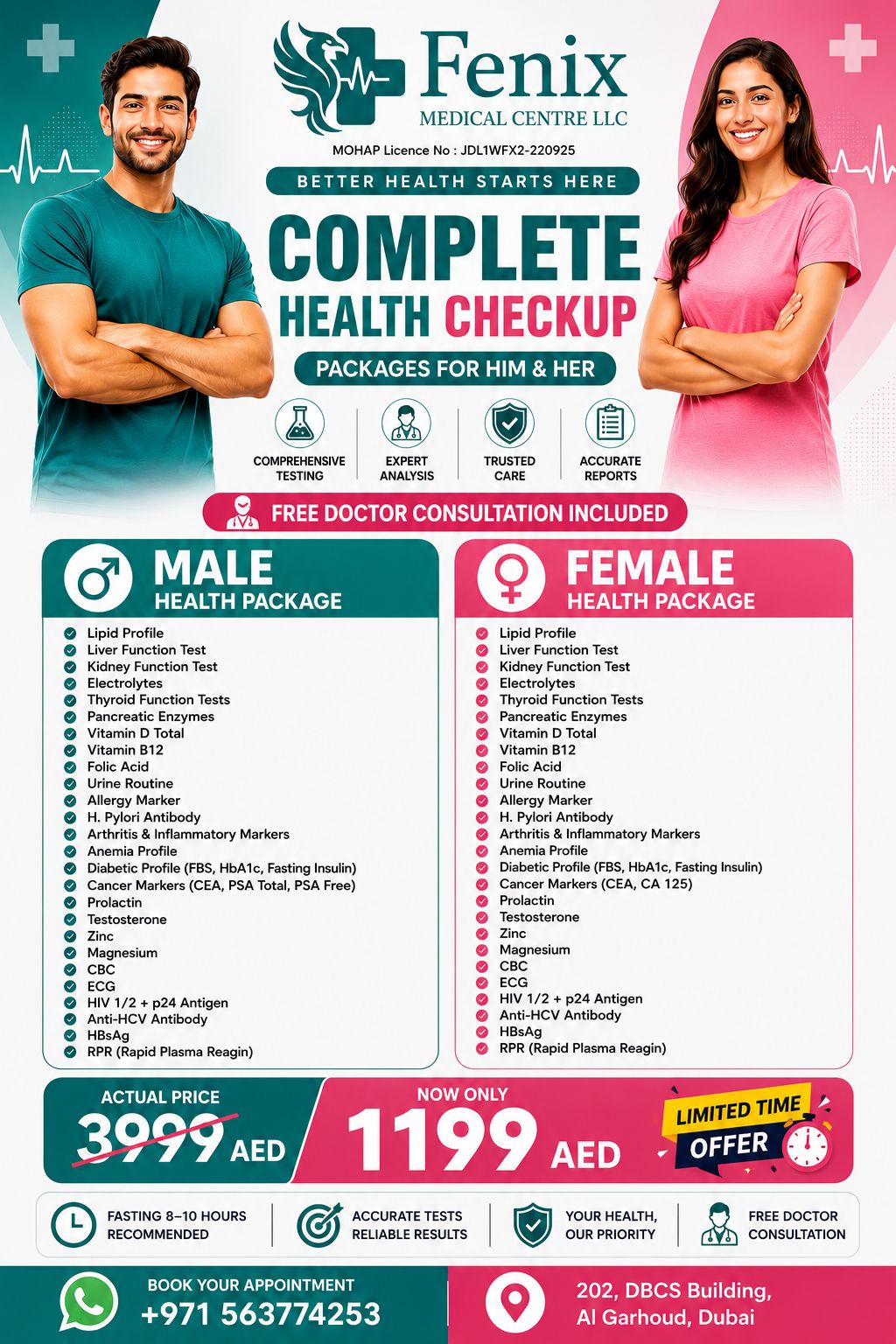
Limited Time Offer!
Get your Health Package for just AED 99
and receive a FREE Doctor Consultation worth AED 100!
Mobile
+971 56 377 42 53
Address
202, 2nd Floor, Dubai Building Co-operative Society (DBCS), Al Garhoud, Dubai, UAE

Why Knowing How to Prepare for a Blood Test Is Important
Blood test results guide doctors in diagnosing diseases, monitoring chronic conditions, and planning treatments. Eating, drinking certain beverages, exercising intensely, or taking medications before your appointment can sometimes influence laboratory values.
Proper preparation helps:
- Improve the accuracy of laboratory results
- Reduce the chance of false readings
- Minimize the need for repeat testing
- Help doctors make better clinical decisions
- Support faster diagnosis and treatment planning
Since preparation varies depending on the investigation, it is always advisable to follow the instructions provided by your healthcare provider or laboratory.
General Tips on How to Prepare for a Blood Test
If you’re wondering how to prepare for a blood test, these simple recommendations can help you arrive ready for your appointment.
Stay Hydrated
Drinking water before most blood tests is encouraged unless your doctor provides different instructions. Proper hydration makes veins easier to locate, allowing smoother blood collection.
Get Adequate Sleep
A good night’s sleep supports normal body functions and helps provide more reliable test results, particularly for hormone-related investigations.
Avoid Alcohol Before Testing
Alcohol may temporarily affect liver function, blood sugar levels, and other laboratory values. Avoid consuming alcoholic beverages for at least 24 hours before testing whenever possible.
Avoid Strenuous Exercise
Heavy physical activity immediately before certain blood tests may temporarily influence muscle enzymes, blood sugar, and other measurements.
Inform Your Doctor About Medications
Some prescription medications, vitamins, or supplements can affect laboratory results. Never stop medications on your own, but let your doctor know what you are taking before the test.
How to Prepare for Fasting Glucose Test
A fasting blood glucose test measures your blood sugar levels after a period without food and helps evaluate diabetes or prediabetes. When learning how to prepare for fasting glucose test, remember these important guidelines:
✅Fast for the duration recommended by your doctor, usually overnight.
✅Drink only plain water during the fasting period.
✅Avoid tea, coffee, juices, chewing gum, or sugary drinks.
✅Do not smoke before the test unless advised otherwise.
✅Schedule the test early in the morning whenever possible.
Following these instructions helps ensure that the glucose reading accurately reflects your fasting blood sugar level.
Cholesterol Test Fasting: Do You Need It?

Many patients ask whether cholesterol test fasting is still necessary. The answer depends on the type of lipid profile requested and your doctor’s recommendation. While some cholesterol tests can now be performed without fasting, healthcare providers may still recommend fasting for several hours before a complete lipid profile to obtain the most accurate triglyceride measurements.
If fasting is required:
- Drink only water during the fasting period.
- Avoid fatty meals the previous evening.
- Continue medications only if instructed by your physician.
- Attend your appointment as scheduled.
Always follow the instructions provided by your healthcare provider rather than relying on general advice.
How to Prepare for Testosterone Test
Hormone levels naturally fluctuate throughout the day, making timing important for testosterone testing. If you’re searching for how to prepare for testosterone test, these recommendations are generally helpful:
- Book your appointment during the morning, when testosterone levels are naturally higher.
- Follow any fasting instructions provided by your doctor.
- Avoid strenuous exercise immediately before testing.
- Inform your doctor about testosterone supplements or hormone medications.
- Get adequate rest the night before your appointment.
Accurate hormone testing helps doctors properly evaluate symptoms related to hormone imbalance and recommend appropriate treatment when necessary.
Is Fasting Required for Uric Acid Test?
A common question patients ask is, is fasting required for uric acid test?
In many cases, fasting is not always necessary. However, your healthcare provider may recommend fasting depending on your overall health assessment or if multiple laboratory investigations are being performed during the same visit. To prepare:
✅Follow your doctor’s specific instructions.
✅Stay well hydrated unless advised otherwise.
✅Avoid excessive alcohol before testing.
✅Inform your doctor about medications that may affect uric acid levels.
If your uric acid test is included in a comprehensive health package, fasting instructions may be based on the other investigations being performed simultaneously.
What Should You Bring on the Day of Your Blood Test?
Preparing for your appointment also includes bringing the necessary documents and information. Carry:
- Valid identification
- Doctor’s referral (if available)
- Previous laboratory reports
- List of current medications
- Health insurance details (if applicable)
Arriving a few minutes early allows sufficient time for registration and helps ensure a smooth testing process.
Common Mistakes to Avoid Before a Blood Test
Even small mistakes can sometimes affect laboratory results. Avoid:
- Eating during a required fasting period
- Drinking coffee or tea while fasting
- Consuming alcohol before testing
- Performing intense exercise immediately before your appointment
- Forgetting to mention medications or supplements
- Ignoring the preparation instructions provided by your doctor
When in doubt, contact your healthcare provider before your appointment for clarification.
Accurate Blood Testing at Fenix Medical Centre
At Fenix Medical Centre, we understand that proper preparation is an important part of obtaining reliable laboratory results. Our experienced healthcare professionals guide patients before every investigation, ensuring they understand any preparation requirements specific to their tests.
Our laboratory offers:
- Routine and specialized blood investigations
- Preventive health screening
- Hormone testing
- Blood sugar evaluation
- Cholesterol and lipid profile testing
- Vitamin deficiency assessments
- Fast, reliable digital reports
- Doctor consultation when required
Whether you’re attending for a routine blood investigation or a comprehensive health assessment, our team is committed to delivering accurate diagnostics supported by modern laboratory technology.
Conclusion
Knowing how to prepare for a blood test helps ensure accurate results and supports better medical decision-making. Preparation requirements vary depending on the investigation, whether you’re undergoing a fasting glucose test, cholesterol profile, testosterone assessment, or uric acid evaluation. Always follow the instructions provided by your healthcare provider and communicate any questions before your appointment.
At Fenix Medical Centre, we make diagnostic testing simple, efficient, and patient-focused, helping you receive dependable laboratory results with confidence.
Frequently Asked Questions
1. Can I drink water before a blood test?
Yes. Plain water is generally allowed and often recommended unless your doctor provides different instructions.
2. Can I take my regular medications before a blood test?
Some medications may affect laboratory results. Always inform your doctor about your medications and follow their advice before testing.
3. Why do some blood tests require fasting while others do not?
Certain investigations, such as fasting glucose or some lipid profile tests, require fasting because recent food intake can temporarily affect the results.
4. Is morning the best time for all blood tests?
Not always. However, hormone tests such as testosterone are often recommended in the morning because hormone levels are naturally highest during that time.