
Ferritin Test Cost in Dubai: What Low Iron Levels Mean
If you’re experiencing persistent fatigue, hair loss, or low energy, an iron deficiency and ferritin test in Dubai can help identify low iron stores and potential deficiency early. Learn about the ferritin test cost in Dubai, understand your results, and book your ferritin test today at Fenix for professional guidance and timely screening.
Limited Time Offer!
Get your Health Package for just AED 99
and receive a FREE Doctor Consultation worth AED 100!
Mobile
+971 56 377 42 53
Address
202, 2nd Floor, Dubai Building Co-operative Society (DBCS), Al Garhoud, Dubai, UAE


What Is a Ferritin Blood Test?
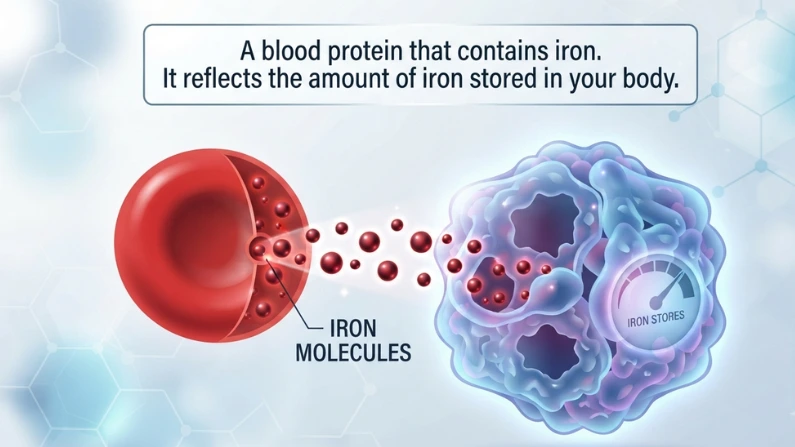
A ferritin blood test in Dubai measures the amount of ferritin – a protein that stores iron – circulating in your blood. Think of ferritin as your body’s iron “warehouse.” Iron is essential for making hemoglobin, the part of your red blood cells that carries oxygen around your body. When your iron stores run low, ferritin drops first, often before your hemoglobin or red blood cell count shows any change on a standard blood test.
That’s what makes ferritin such a useful early marker. It can flag an iron problem while you’re still just “tired all the time,” well before you’re diagnosed with anemia.
Ferritin vs Serum Iron: What’s the Difference?
These two tests are often confused because they both relate to iron, but they measure completely different things.
|
Feature |
Ferritin |
Serum Iron |
|
What it measures |
Iron stored in the body |
Iron currently circulating in blood |
|
Stability |
Stable, reflects long-term status |
Fluctuates with meals and time of day |
|
Fasting required |
Not usually required |
Fasting recommended for accuracy |
|
Best for |
Early detection of deficiency |
Confirming active iron levels |
|
Limitation |
Can be falsely raised by inflammation |
Can be falsely low temporarily |
In short: think of ferritin vs serum iron like a bank balance versus cash in your wallet. Ferritin shows your long-term iron savings; serum iron shows what’s available for use right now. For an accurate diagnosis, doctors usually look at both together, along with TIBC and transferrin saturation.
Normal Ferritin Range
Reference ranges can vary slightly between labs, but general adult ranges are:
✅ Men: approximately 24–336 ng/mL
✅ Women: approximately 11–307 ng/mL
Postmenopausal women and older adults may sit slightly higher on average. Your doctor will interpret your specific result alongside your symptoms and other bloodwork, since “normal” can still mean borderline-low for someone with clear deficiency symptoms.
What Does Low Ferritin Mean?
A low ferritin result usually points to depleted iron stores, even if your hemoglobin still looks normal. Common causes include:
- Poor dietary iron intake
- Heavy menstrual periods
- Pregnancy (iron demand increases significantly)
- Gastrointestinal blood loss
- Frequent blood donation
Typical symptoms linked to low ferritin include persistent fatigue, pale skin, brittle nails, hair shedding, shortness of breath, dizziness, and restless legs. If left unaddressed, low iron stores can progress to iron-deficiency anemia, which brings more pronounced symptoms and requires closer medical management.
What Does an Elevated Ferritin Mean?
An elevated ferritin result doesn’t always mean too much iron – this is one of the most misunderstood parts of the test. Because ferritin is also an “acute phase reactant,” it rises during inflammation or infection, independent of your actual iron levels. So a high reading can point to several different things:
Iron overload (hemochromatosis)
A genetic or acquired condition where the body stores excess iron, which over time can affect the liver, heart, and pancreas
Liver diseases
Since the liver stores a large share of the body’s ferritin, damage or inflammation can push levels up
Chronic inflammation or infection
Conditions like rheumatoid arthritis or ongoing infections can elevate ferritin without any iron problem at all
Less commonly, certain cancers
Where ferritin can rise as part of the body’s inflammatory response
Because of this overlap, doctors often pair ferritin with a CRP (inflammation marker) or liver function tests to figure out whether elevated ferritin reflects iron overload or something else entirely.
Who Should Get a Ferritin Test?
You may want to get tested if you:
- Feel persistently tired, weak, or dizzy
- Notice hair thinning, brittle nails, or frequent headaches
- Are being treated for anemia or taking iron supplements
- Have a chronic inflammatory condition, such as arthritis or liver disease
- Have a family history of iron disorders like hemochromatosis
- Are pregnant or planning pregnancy
Preparing for Your Ferritin Test
Fasting requirements vary slightly by clinic – some recommend 8 hours of fasting for the most accurate reading (water is fine), especially if the test is combined with a serum iron or full metabolic panel. Bring your Emirates ID or passport for identification, and let the technician know if you’re currently taking iron supplements, since these can temporarily affect results.
Conclusion
Low iron levels are one of the most common – and most fixable – reasons behind unexplained fatigue, hair loss, and low energy, especially among women, vegetarians, and people with chronic health conditions. A simple ferritin test, combined with serum iron when needed, gives a clear, affordable window into your iron health long before symptoms become serious. Whether your results come back low or elevated, understanding what they mean is the first step toward feeling like yourself again.
If you’ve been feeling unusually tired or run down, don’t wait for it to get worse – book a ferritin test in Dubai and get answers you can act on.
Frequently Asked Questions
Do I need to fast before a ferritin test?
Fasting isn’t strictly required for ferritin alone, but if it’s combined with serum iron or a metabolic panel, an 8-hour fast is usually recommended for the most accurate results.
Can ferritin be high even if I have iron deficiency?
Yes. Since ferritin rises with inflammation, it’s possible to have a “normal” or even elevated ferritin level while still being iron deficient. Doctors often check CRP alongside ferritin to rule this out.
How often should I repeat a ferritin test if I'm on iron supplements?
Most doctors recommend rechecking ferritin around 8–12 weeks after starting iron supplementation to see if levels are improving.
What's the difference between an iron test and a full iron profile?
A standalone iron test only measures circulating serum iron, while a full iron profile includes ferritin, serum iron, TIBC, and transferrin saturation – giving a more complete picture of your iron status.