
PCOS Treatment in Dubai | Symptoms, Diagnosis & Hormone Testing Explained
Irregular periods, unexplained weight gain, acne that won’t clear up, or hair thinning that seems to have no cause – these are some of the most common reasons women in Dubai start searching for answers, and often end up on a path toward diagnosing Polycystic Ovary Syndrome (PCOS). Getting the right PCOS treatment in Dubai starts with one crucial first step: accurate hormone testing. This guide walks through what PCOS is, what causes it, and – most importantly – exactly which blood tests are used to investigate it, so you know what to expect before you even walk into a clinic.
Limited Time Offer!
Get your Health Package for just AED 99
and receive a FREE Doctor Consultation worth AED 100!
Mobile
+971 56 377 42 53
Address
202, 2nd Floor, Dubai Building Co-operative Society (DBCS), Al Garhoud, Dubai, UAE
What Is PCOS?
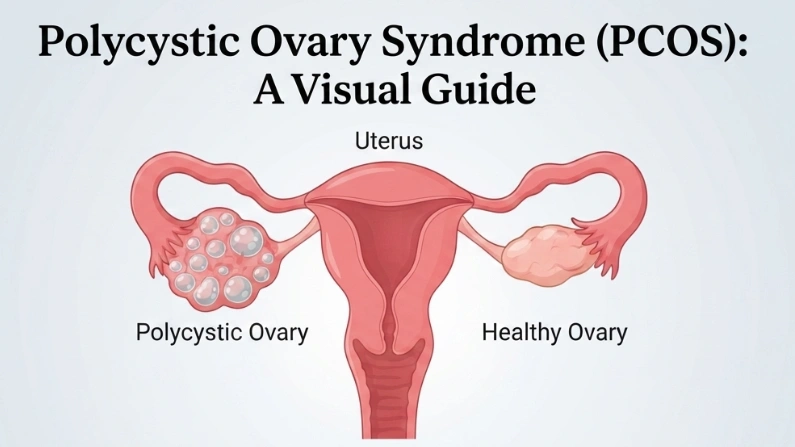
PCOS is one of the most common hormonal disorders affecting women of reproductive age, estimated to affect around 1 in 10 women globally. An imbalance in reproductive hormones causes it – typically elevated androgens (male hormones) – which disrupts ovulation and can lead to irregular periods, small ovarian follicles, and a range of physical symptoms. Not every woman with PCOS has ovarian cysts, and not every woman with ovarian cysts has PCOS – which is exactly why testing matters more than guesswork.
Common Symptoms of PCOS
Symptoms vary widely between women, and you don’t need every symptom on this list to have PCOS. Common signs include:
- Irregular, infrequent, or absent periods
- Excess facial or body hair growth (hirsutism)
- Persistent acne or oily skin
- Unexplained weight gain, particularly around the abdomen
- Hair thinning or scalp hair loss
- Difficulty conceiving
- Skin darkening in the neck or underarms (acanthosis nigricans)
If you’re experiencing two or more of these symptoms, it’s worth investigating further rather than treating each one individually.
What Causes PCOS?
The exact cause of PCOS isn’t fully understood, but several contributing factors are well established:
- Insulin resistance – when cells don’t respond normally to insulin, blood sugar rises, and the body compensates by producing more insulin, which can trigger excess androgen production
- Genetics – PCOS often runs in families
- Low-grade inflammation – linked to increased androgen production by the ovaries
- Hormonal imbalance – elevated LH (luteinizing hormone) relative to FSH can disrupt normal ovulation
Because multiple systems are involved – reproductive, metabolic, and hormonal – a single symptom or test rarely tells the full story.
Hormonal Imbalance Test in Dubai: What Gets Checked
A proper hormonal imbalance test in Dubai is the foundation of a PCOS diagnosis, since symptoms alone can overlap with thyroid disorders, high prolactin, or other conditions. Here’s what a comprehensive hormone panel typically includes, and what each marker tells your doctor:
|
Hormone |
What It Assesses |
|
FSH (Follicle-Stimulating Hormone) |
Ovarian function and egg development |
|
LH (Luteinizing Hormone) |
Ovulation trigger; often elevated relative to FSH in PCOS |
|
Testosterone (Total) |
Androgen levels — commonly elevated in PCOS |
|
Prolactin |
Rules out a separate cause of irregular periods |
|
E2 (Estradiol) |
Estrogen levels and ovarian activity |
|
Progesterone |
Confirms whether ovulation is occurring |
|
TSH, T3, T4 |
Rules out thyroid disorders that mimic PCOS symptoms |
|
Cortisol |
Assesses stress hormone levels, which can worsen symptoms |
|
Beta HCG |
Rules out pregnancy as a cause of irregular or missed periods |
At Fenix, this full panel is available through the Female Hormone Package, which covers FSH, LH, Prolactin, E2, Cortisol, Beta HCG, Testosterone, Progesterone, TSH, T3, and T4 in a single visit – with a Free GP Consultation included to help interpret your results and guide next steps.
How Is PCOS Diagnosed?
There’s no single test that confirms PCOS on its own. Diagnosis is typically based on a combination of:
Medical history
Menstrual pattern, weight changes, family history
Physical examination
Checking for signs like excess hair growth, acne, or skin changes
Blood tests
The hormone panel outlined above, plus blood sugar and cholesterol to assess metabolic risk
Pelvic ultrasound
To check for enlarged ovaries or multiple small follicles, typically arranged through a specialist
Most doctors use the “Rotterdam criteria,” requiring at least two of three features: irregular ovulation, elevated androgens, and polycystic ovaries on ultrasound. This is why blood tests plus a clinical review matter more than any single symptom or scan alone.
Polycystic Ovarian Cyst Treatment: What Are Your Options?
Polycystic ovarian cyst treatment isn’t one-size-fits-all – it depends on your symptoms, whether you’re trying to conceive, and your overall metabolic health. Common approaches include:
Lifestyle Modifications
- A balanced, low-glycemic diet to help manage insulin resistance
- Regular exercise to improve insulin sensitivity and support weight management
- Stress management techniques, since chronic stress can worsen hormonal imbalance
- Prioritising 7–9 hours of sleep to support hormone regulation
Medical Treatments
- Hormonal birth control to regulate periods and reduce androgen levels
- Metformin or other insulin-sensitising medication where insulin resistance is present
- Anti-androgen medication to manage excess hair growth or acne
- Ovulation-inducing medication for women trying to conceive
Fertility Support For women facing difficulty conceiving, additional support – such as ovulation induction – may be recommended by a fertility specialist after initial hormone testing.
When to See a Polycystic Ovarian Syndrome Specialist
While hormone testing is the right starting point, certain signs mean it’s time to move from testing to specialist care. Consider seeing a polycystic ovarian syndrome specialist if:
- Your periods have been irregular or absent for several months
- You’re experiencing significant hair growth, hair loss, or acne changes
- You’ve been trying to conceive for over a year without success
- Your blood tests show clearly elevated androgens or abnormal LH/FSH ratios
- You have a family history of PCOS, diabetes, or metabolic syndrome
Bringing your hormone panel results to a specialist consultation means the appointment can focus on interpretation and treatment planning right away, rather than starting from scratch.
What Happens If PCOS Is Left Untreated?
Left unmanaged, PCOS can increase the risk of:
- Type 2 diabetes, due to ongoing insulin resistance
- High cholesterol and cardiovascular disease
- Endometrial complications from prolonged irregular cycles
- Ongoing fertility challenges
This is why early testing matters – catching hormonal imbalance early allows for lifestyle and medical management before complications develop, rather than reacting after the fact.
Conclusion
PCOS treatment in Dubai doesn’t need to start with an intimidating specialist appointment – it starts with understanding what’s actually happening in your body. A proper hormone panel gives you and your doctor the clarity needed to build a treatment plan that fits your symptoms, whether that means lifestyle changes, medication, or a referral to a specialist for further care.
If you’ve been dealing with irregular periods, unexplained weight changes, or other symptoms that don’t add up, don’t wait for things to get worse – get your hormone levels checked and take the first real step toward answers.
Frequently Asked Questions
Can PCOS be diagnosed with a blood test alone?
No single blood test confirms PCOS. Diagnosis typically combines hormone testing, symptom review, and sometimes a pelvic ultrasound arranged through a specialist.
Do I need to fast before a hormone panel for PCOS?
Fasting requirements can vary by test combination – check with the clinic when booking, especially if blood sugar or insulin markers are included.
Is PCOS the same as having ovarian cysts?
Not necessarily. Some women with PCOS don’t have visible cysts on ultrasound, and having ovarian cysts alone doesn’t confirm a PCOS diagnosis – hormone levels and symptoms matter just as much.
Can PCOS affect fertility permanently?
Not usually. While PCOS is a common cause of ovulatory infertility, many women with PCOS conceive naturally or with treatment such as ovulation-inducing medication.
How often should hormone levels be rechecked after starting treatment?
This depends on your treatment plan, but many doctors recommend reviewing hormone and metabolic markers every 3–6 months to track progress.